Award Winning Dewar’s Double Double Back in Stock!
Posted on February 23, 2021 in Featured
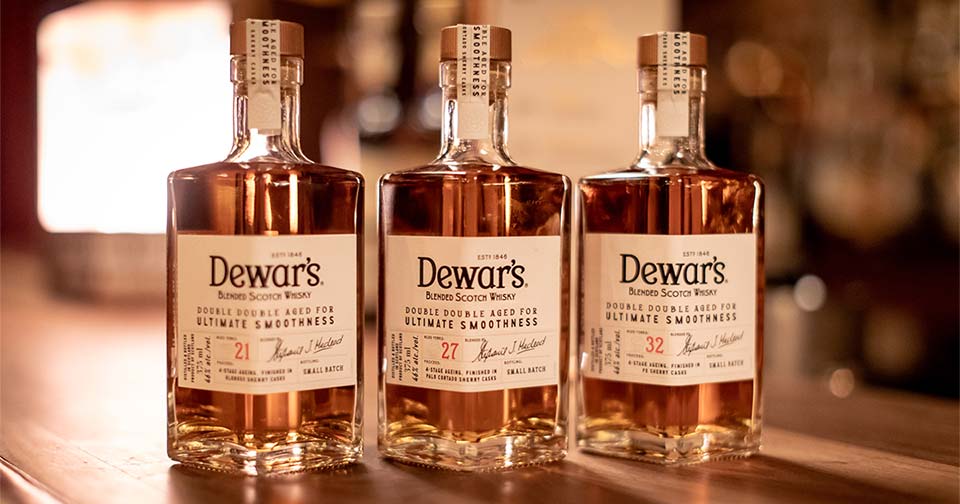
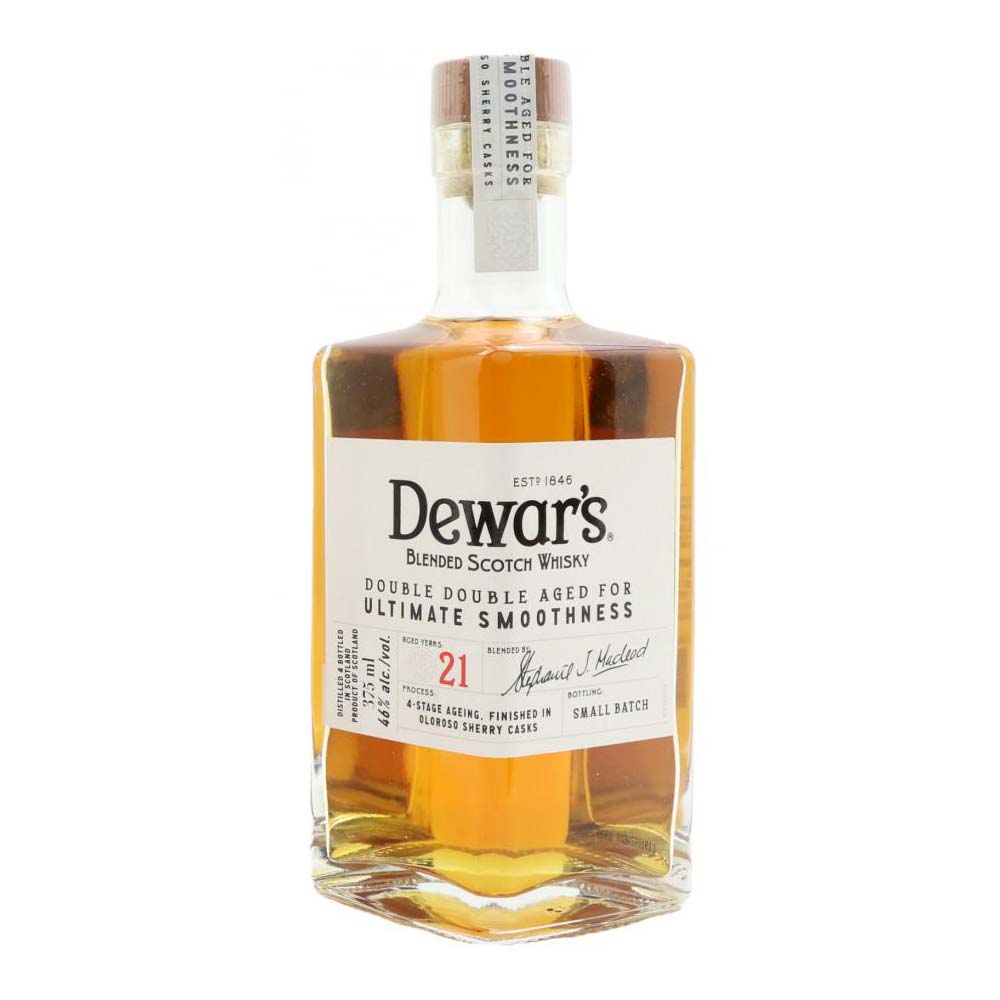
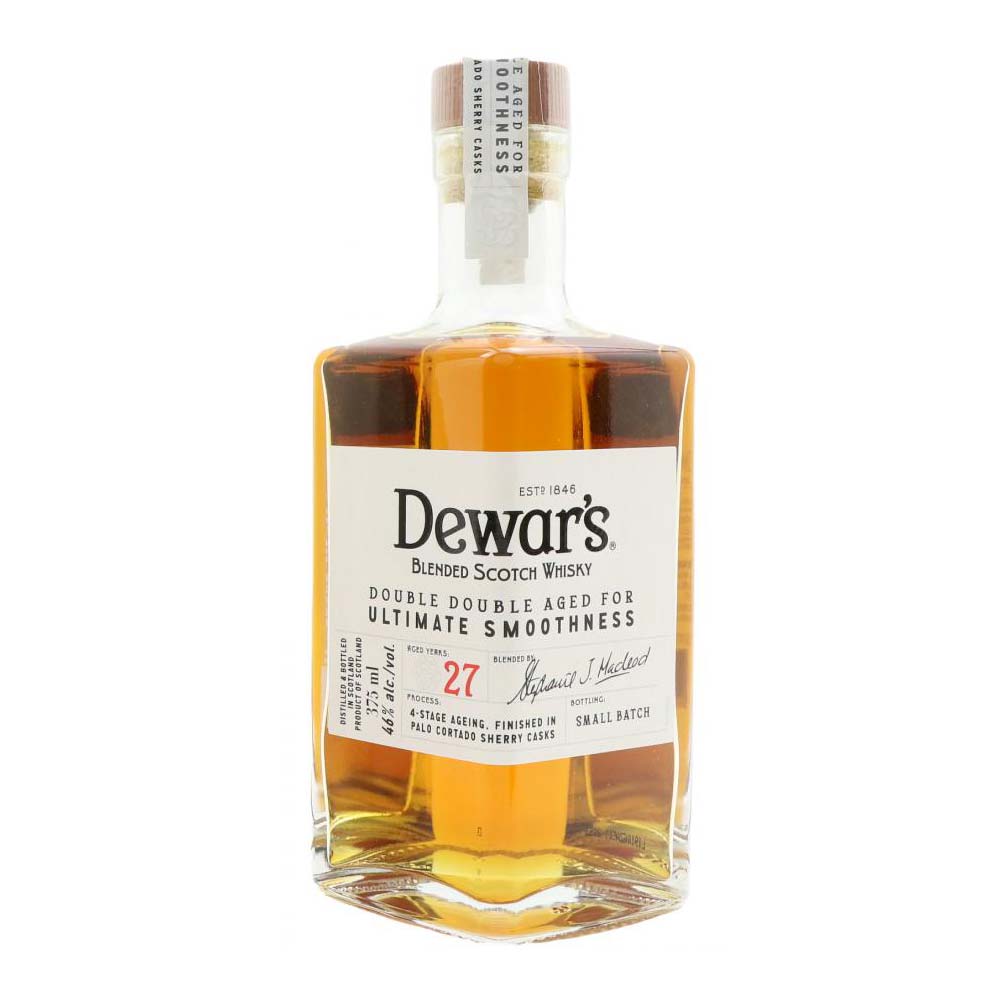
Dewar's Double Double is an award winning, small batch premium blended Scotch whisky series crafted using an innovative four-step aging process.
First, Dewar's age malt and single grain whiskies in separate casks. Second, they blend these malt and grain whiskies into blended grain and blended malt whiskies and re-cask them for additional aging. The third step involves marrying the blended malt and blended grain whiskies together and aging them yet again. The fourth and final step takes the resulting blends and finishes them in Oloroso (21 Year Old), Palo Cortado (27 Year Old), and Pedro Ximenez (32 Year Old) Sherry casks.
Dewar's Double Double 21 Year Old was ranked #2 on Whisky Advocate's Top 20 Whiskies of 2019, Dewar's Double Double 32 Year Old scored 96.4/100 points and was awarded Whisky of the Year at the 2020 International Whisky Competition, and all three whiskies were award a 94/100 by Mark Gillespie of the WhiskyCast podcast!
Anniversary Sale Special: Purchase the Dewar’s Double Double Blended Scotch Whisky Collection Bundle for $249.99 (Regularly $339.97) and save $89.98!

On Sunday, We Turn Eight Years Old!
Posted on February 11, 2021 in New Arrivals
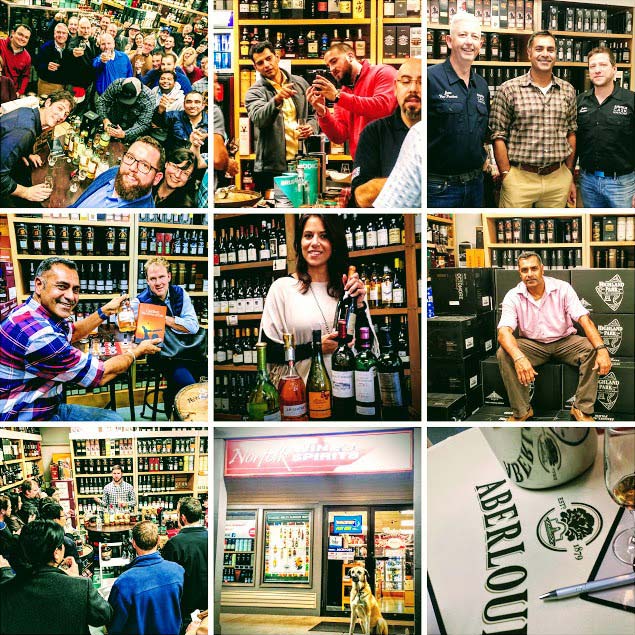
Creating memories, experiences, and friendships.
We opened on Valentine’s Day 2013 and it has been an exciting journey. Like any small business there have been many ups and downs, twists and turns, weathering economic boom and busts and of course the incredibly challenging 2020. And we owe all our successes to our loyal customers. You’ve provided the opportunity for us to expand, meet new people, explore new beverages, and enjoy the relationships you can only develop with a small local business.
When we started, there were 15 whiskies in the store. Now, we’re approaching 1,500 unique expressions! More recently, we’ve increased our focus on premium Rums, Tequilas, Mezcals, Gins, Wines, Fortified Wines, Craft Beer, and other Spirits. All of this is possible because of our customers’ incredible curiosity, generosity and willingness to try new things and ideas. The entire staff and I at Norfolk Wine and Spirits thank you for your support and encouragement.
Every year, as a token of our appreciation and to provide our customers the opportunity to explore beyond their normal routines, we run a sale that is the most extravagant that we can muster. This year we’ll do the same, but we are going a bit further. In addition to offering discounts on select products as part of the Anniversary Sale, we are also offering the following:
- Meet the Makers: A series of Virtual/Hybrid tastings where we invite Master Distillers or Owners to join us as we sample various products. For a complete list of events click here.
- Cousins Maine Lobster Food Truck is coming here on February 12th, 2021. Grab your favorite Beer, Wine or Spirit to pair with their delicious food. One Day Only, Friday 12:00 pm-6:00 pm.
- Curated selections of Cocktail bundles, Whisky/Gin/Wine bundles, Rare & Collectibles specially selected and created for the Anniversary sale.
We will be constantly adding new Sale items, Bundles, Tastings and more so check back often…
Thank you,
Bikram Singh and the Staff at Norfolk Wine and Spirits

Food Truck: Cousins Maine Lobster (February 12, 2021)
Posted on February 6, 2021 in New Arrivals
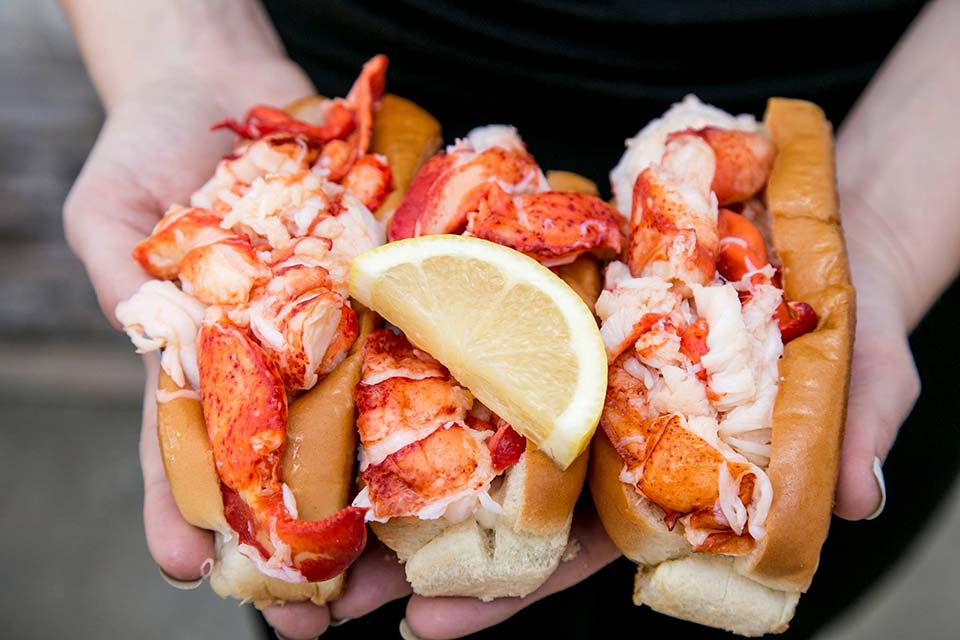
A Cousins Maine Lobster truck will be parked outside Norfolk Wine & Spirits on Friday, February 12th from 12:00 PM-6:00 PM selling their famous lobster rolls and tails, lobster bisque, New England clam chowder, and more!
Cousins Maine Lobster started with one truck four years ago and has grown to over 20 trucks in 13 cities throughout the country. They use family recipes to make lobster meals that allow customers throughout the country to taste the Maine lobster dishes they grew up with.
Will You Beer Mine?
Posted on February 6, 2021 in New Arrivals

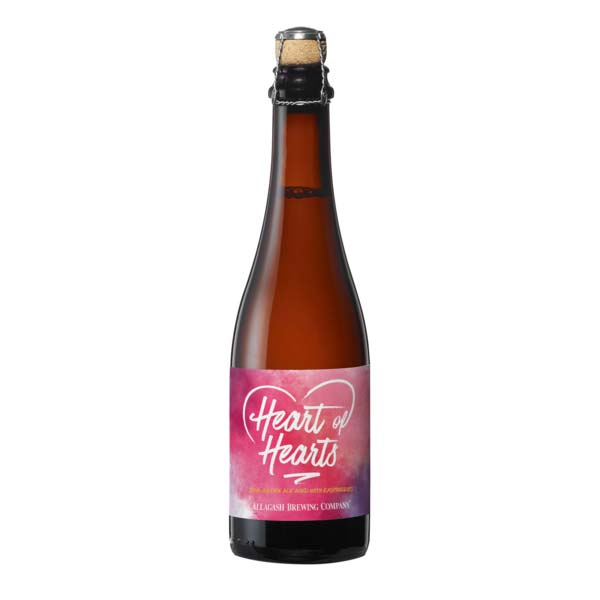
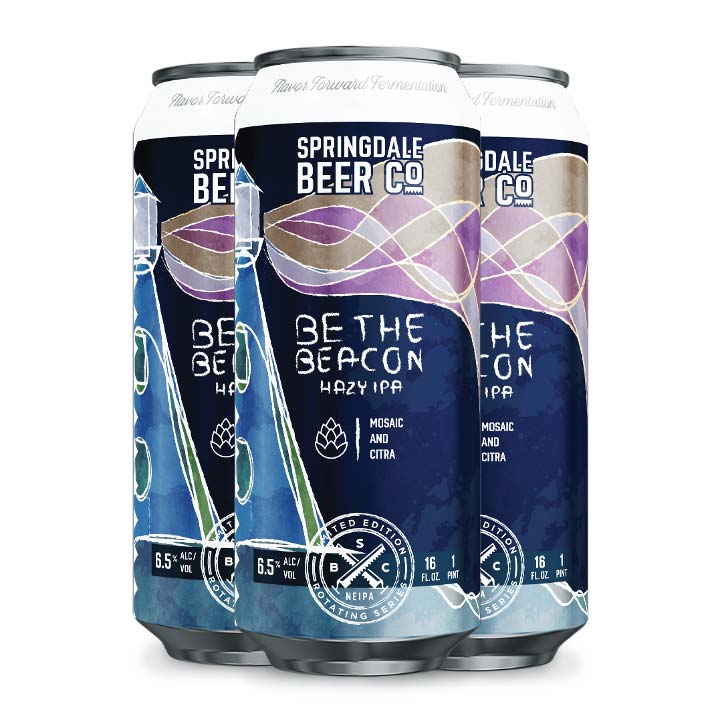
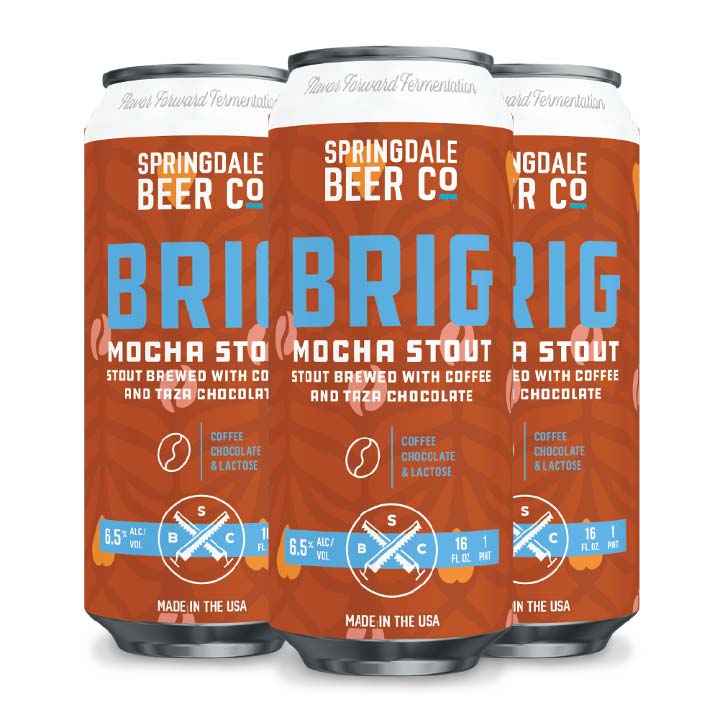
Roses are red, violets are blue, we've brought in new craft beers, just for you! Allagash Brewing Company's Heart of Hearts Sour Ale (Portland, ME), Night Shift Brewing's Beer Mine Pastry Stout (Everett, MA), and Springdale Beer Company's Be The Beacon (Framingham, MA) are available now at Norfolk Wine & Spirits, just in time for Valentine's Day!

Piemonte, The Most Prestigious Wine Region In Italy?
Posted on February 3, 2021 in Education
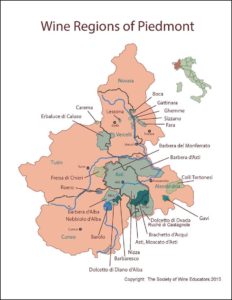
Piedmont, or Piemonte as it is called in Italy, is a prolific wine region producing some of the most sought after wines in the world. In fact, of the 573 Piemontese wines reviewed by Wine Spectator in 2020 a full 70% were ranked at 90 points or better!
Piemonte holds in its name the reference to the conformation of the region, located at the foot of mountains: “pie” stands for foot and “monte” for mountain. The name of the region perfectly describes its position at the foot of the Alps, which surround plains and hills on three sides. This geography provides a unique soil composition. The former sea & the consequent floods, erosion & earthquakes gave birth to a rich soil ideal for the wines of the region & the white truffles found there.
Of Italy’s 20 major wine regions, Piedmont ranks 6th in production volume & it’s known for its high quality, producing more DOCG (Denominazione di Origine Controllata e Garantita) designated wines than any other region. In fact, there are a total of 59 DOC/DOCG zones within the region (including Barolo, Gabiano, Barbera d’Asti, etc.) & the name of the region & zone are listed prominently on wine labels.
The diversity of the region – soil composition, topography, elevations, climate – results in a multitude of indigenous varietals complemented with a growing list of non-native grapes. Each zone has a primary varietal focus, however there is significant overlap with the same varietal being grown across different zones. Many think of Piemonte as mostly producing red wine, & while the best known & most sought after are red, the region also produces a significant number of white wines ranging from deeply flavored though light & bubbly.
The most common red varietals, Barbera, Dolcetto, & Nebbiolo, are produced in a number of zones resulting in variations based on locale.
Barbera is the most widely planted variety in Piedmont & delivers exceptional examples in d’Asti & d’Alba. These wines deliver aromas of red & black fruit – particularly raspberries, lingonberries, and blackberries – along with espresso, smoke, & anise, supported by velvety tannins & a spicy finish. The wines are typically aged in oak to deliver richer, opulent fruit flavors. These wines are medium-bodied with a touch of spicy-earthy terroir & most zones require a minimum of 75-90% of Barbera when blended. While common in the area, it is less well known across the wine-drinking world & usually offers good economic value.
Dolcetto, which translates to “little sweet one”, has soft, fruity flavors of plums, blackberries, and raspberries with aromas of violets & black peppercorn that are contrasted with firm tannin texture, often with hints of light chocolate. Exceptional producers are found in both DOCG and DOC areas (especially Alba). Typically dry, ruby-red in color with juicy cherry & almond notes., it boasts low-to-moderate acidity, as well as moderate alcohol (12% abv) and tannin levels so most recommend drinking the wine within 5 years of release, however top producers can age slightly longer.
Nebbiolo has high acidity, a pale garnet color, intense grippy tannins, flavors of cherry, rose and tar, as well as a moderately high alcohol content of 13–15%. These wines, especially with a decade of aging to soften tannins & integrate acidity, inspire flocks of devotees. While it’s produced in many of the subregions of Piedmont, Barolo, Barbaresco, & Langhe deserve special attention.
- – Barolo, known as “The King of Wines”, is comprised of 11 villages: Barolo, Castiglione Falletto, Serralunga d’Alba, Cherasco, Diano d’Alba, Grinzane Cavour, La Morra, Monforte d’Alba, Novello, Roddi and Verduno. Their name on a bottle means that all the grapes included in the wine were grown in that village. Regulations dictate that Barolo must age a minimum of 3 years before release, and 5 years for Riserva. To further ensure quality, only vineyards on southern-facing hills fall within the DOCG purview.
- – Barbaresco has four villages: Barbaresco, Neive, San Rocco Seno d’Elvio and Treiso & it also carries DOCG status for wine made from the best south-facing vineyards of Nebbiolo. Barbaresco grows primarily on a limestone base, which lowers tannins & highlights fruit similar to Barolo grown on blue-gray marl. Proximity to the river & lower elevations contribute to earlier ripening of grapes, a benefit in hotter years. Thinner skins translate into less tannin balanced against more fruit. As a result, Barbaresco tastes lighter than many Barolos.
- – Langhe is the broader region which encompasses both Barolo & Barbaresco. Wines made from Nebbiolo which either do not meet the stringent regulations of Barolo or Barbaresco (for instance grown on west facing hills) or that are made outside those two zones will usually carry Langhe as the source. These can be beautiful wines but will typically not command the high prices of a wine labeled as Barolo or Barbaresco, although there are certainly exceptions. Many of the high scoring & popular Gaja wines are from labeled from this region & most of the high-end Barolo & Barbaresco winemakers also produce wines from Langhe, focusing on the lighter cherry & fruit flavors it can deliver.
While less well known, Piemonte also produces some exceptional white wines. Moscato Bianco is the grape used in the popular sparkling wines including Asti Spumante & Moscato d’Asti. Less known but growing in popularity is Cortese di Gavi, a sleek dry white with a crisp and characteristically long, chalky finish that frames lemon, apple, melon, and straw flavors.
Enjoy a virtual visit to the region & sample across some of the diversity of wines that they produce:
Borgogno Langhe Nebbiolo 2014
Travaglini Gattinara 2016
Villa Sparina Monte Rotondo Comune di Gavi DOCG 2015
La Spinetta Langhe Nebbiolo
Elvio Cogno Mandorlo Dolcetto d’Alba 2013
Giacosa Fratelli Barbaresco 2015
Borgogno No Name Langhe Nebbiolo 2015
Pio Cesare Barolo 2014
References:
15 Best Wine Regions in Italy
Tuscany – It’s more than just Chianti!
Posted on January 19, 2021 in Education

The most well known Italian wine region has to be Tuscany, the home to Chianti. However, Tuscany is a lot more than just Chianti and Chianti is a lot more than the old wicker basket ensconced bottle. The region produces nearly 53 million gallons of wine a year, with the vast majority (~85%) being red. And of these red wines, Sangiovese is the dominant player.
Part of the challenge in discussing Italian wines – or most European wines for that matter – is the nomenclature surrounding the wine. As is typical across Europe, Italian wines are known by the region where they are produced and it is up to the drinker to understand what varietals are actually in the bottle. While you can rest assured that a Cabernet Sauvignon can be called a Napa Cab as long as it has 80+% Cabernet grapes grown in the defined Napa region, what can you divine considering a Chianti vs a Chianti Classico or a Chianti Ruffino? While each has Sangiovese as its base wine and all 3 come from Tuscany, each has different regulations and comes from different areas.
Let’s first discuss the region: Within Tuscany there are nearly 40 sub-appellations containing 11 DOCG, 40 DOC, and 6 IGT classifications. Nearly ⅔ of Tuscan wine production is DOC and DOCG. The most widely known include Chianti, Chianti Classico, Brunello di Montepulciano, Vino di Nobile Montepulciano, Bolgheri, Rosso di Montalcino, Toscano, and Vin Santo. Due to climate, soil composition, and topography, each has its own style and specialty, but Sangiovese remains the dominant red grape across each sub-region.
While regions along the coast, primarily Bolgheri, have lower elevations and are therefore warmer, they are also influenced by the Mediterranean allowing non-native grapes, such as Cabernet and Merlot, to flourish. Further inland it is hilly with some rising peaks producing a cooler growing climate and shifting soil structure. This is where Chianti and most of its sub-appellations are located, and further to the south Montalcino and Montepulciano. These regions are ideal for Sangiovese and some other lesser known indigenous varietals.
Grapes in the bottle: Sangiovese is the base for the majority of the better known wines in Tuscany – Chianti and all its sub-appellations, Brunello, Rosso di Montepulciano, Rosso di Montalcino, and Vino Nobile di Montepulciano. It is a thin-skinned grape, so it makes lighter, translucent wines. In the glass, it is a ruby red color with flashes of bright burnt orange –a hue commonly associated with aged wines. Besides Sangiovese, Chianti wines may contain grapes like Canaiolo, Colorino, Cabernet Sauvignon, and even Merlot, while Brunello is 100% Sangiovese Grosso, a clone of Sangiovese.
(more…)
Introducing Uncle Nearest Premium Whiskey!
Posted on January 16, 2021 in New Arrivals

Uncle Nearest Premium Whiskey is inspired by the best whiskey-maker the world never knew, the first known African-American master distiller, Nathan “Nearest” Green. The Uncle Nearest brand, wholly owned by Uncle Nearest, Inc., an all minority-led business, is compromised of premium aged whiskeys all mellowed using the Lincoln County Process, a unique filtering of bourbon through sugar maple charcoal. This process has been confirmed to have been brought to Tennessee by enslaved people and taught by Nearest Green to the most famous Tennessee Whiskey maker of all time. Uncle Nearest is distilled, aged, bottled and hand-labeled in Tennessee.
The company built its brand on its knack for sourcing the best of Tennessee whiskies and bourbons, and using its own non-temperature-controlled aging process and unique post-aging double filtration method that significantly changes the characteristics and profile of the original whiskies. Uncle Nearest is the most awarded new American premium whiskey brand in United States history, garnering 75 awards since its July 2017 debut, including being one of two brands named “World’s Best” at Whisky Magazine’s 2019 World Whiskies Awards, and earning 15 Best in Class. Cigar & Spirits Magazine also named Uncle Nearest one of the “Top 5 Whiskies in the World.”


Introducing Balcones Distilling in Waco, TX!
Posted on January 6, 2021 in New Arrivals

In 2008, Balcones was nothing more than an idea driven by a passion to create something original and authentic, right in the Heart of Texas. It all started in an old welding shop under a bridge in Waco. For the next year, they replaced the roofing, knocked out walls, laid brick, cut pipes, installed copper pot stills from Portugal, and shoehorned a whisky distillery inside that quaint building. Proud of what they had accomplished on their own, they began distilling in 2009.
Generally, whiskies are aged for many years or even decades. However, the unique climate of Texas changes that paradigm completely. Everyone knows it’s hot in Texas, but that’s only half the story. Rapid temperature swings are a part of the region’s weather characteristic, and these quick shifts force barrels to “breathe” at a much faster rate than in traditional whisky-making regions. This not only causes oaky flavors to mingle with the liquid inside but also accelerates the complex processes that transform raw spirit into a fully-matured product. It’s one of several ways that Balcones embraces a unique terroir.
Fast forward to 2021, and Balcones' spirits have been recognized worldwide for their bold and intense flavors, winning over 60 awards from various publications and competitions - a testament to their devoted team that craft whiskies day in, day out.