Japanese Whiskies, what is the fuss all about?
Posted on December 20, 2020 in Education
If you are seeking out Yamazaki 18 years old, good luck. Yes they are out there, but they are incredibly hard to come by. Since 2007, I think we have been able to procure about 3 bottles and we specialize in whisky (or so we like to think). In 2008 there were only a handful of Japanese whiskies available in the USA. Hibiki, Yamazaki and a handful of expressions from the Nikka Distilleries. The popularity of Japanese whiskies has steadily increased worldwide and many of age stated whiskies have all but disappeared. Fortunately there have been a number of other Japanese whiskies that are now being imported and that is great news for the consumer.
As of today we have 51 different Japanese whiskies in stock. Here is the complete list, you are bound to find one you like. We have put many on sale, sale will run through the end of 2020.
Whisky is produced worldwide and is essentially distilled cereal grain. Every country has their own set of styles and production methods. Japan is no different, though it must be said Japanese whisky draws inspiration and is greatly influenced by Scotch.
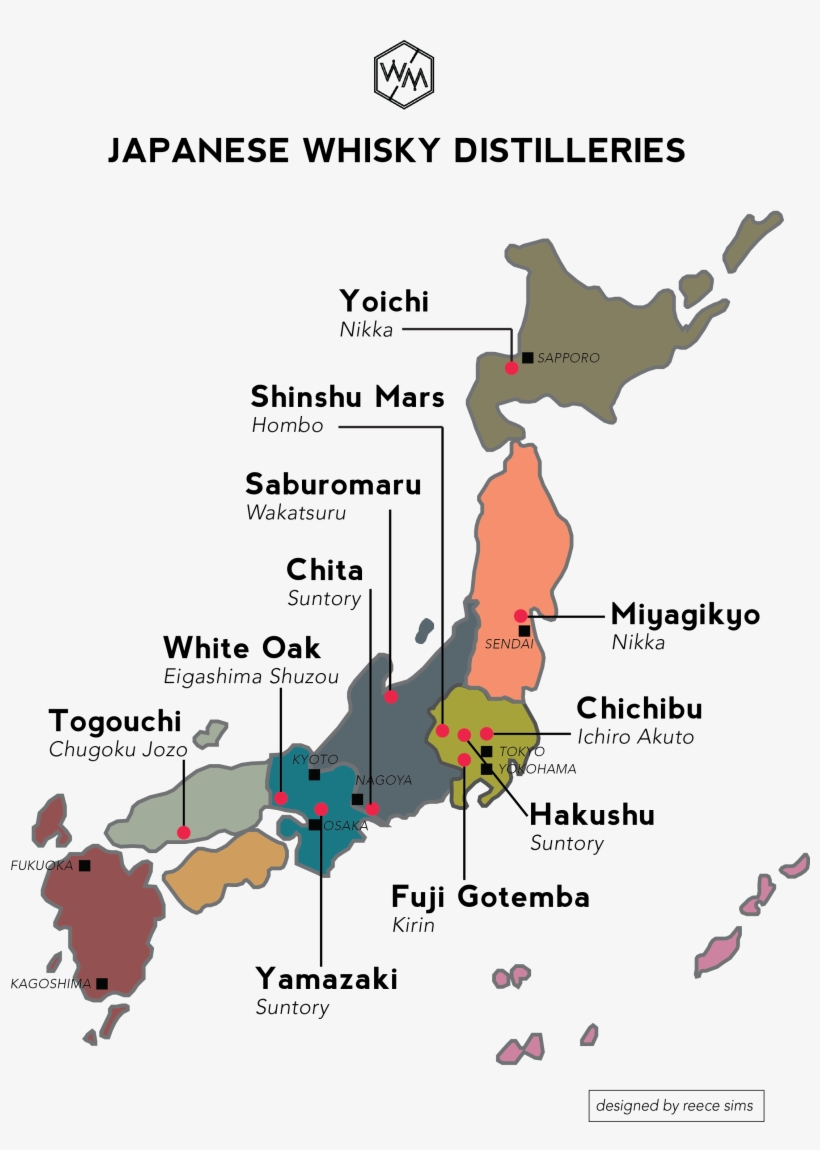
The rapidly growing Japanese whisky industry has been largely attributed to its two founding fathers: Shinjiro Torii and Masataka Taketsuru. Shinjiro established the Suntory brand and the first distillery in Japan in 1923, Yamazaki in the Vale of Yamazaki. Taketsuru founded Yoichi on Hokkaido eleven years later in 1934. Today, Japanese whiskies are becoming increasingly popular and in a unique style of their own.
What is Japanese Whisky?
It is difficult to say with certainty, it is a lot of things. Unlike Scotch Whisky, Bourbon and American Rye whiskey Japanese whiskies does not have “rules”. Japanese whiskies heritage is without question Scottish, thanks to Masataka Taketsuru’s enduring influence, Japanese whisky has created its own style and feel. All of the following make Japanese whisky compelling and unique.
- Sharing of distillate Malt or grain is common among Scotch distilleries, this rarely happens in Japan. However to create a variety of products in the same “Distillery” there may be multiple stills pot as well as column stills. Peated and unpeated malts may be distilled. They are in essence creating multiple distillates which in turn is matured in various types of barrels allowing for a great smorgasbord of flavors to play with.
- Japan’s climate, which experiences greater swings in temperature and thereby matures the whisky at a faster rate than Scotland or Ireland.
- Japanese whisky does not have to be distilled in Japan. A producer can actually buy whisky from other countries, blend and bottle it in Japan, and call it Japanese whisky even though none of the liquid was actually distilled there. This is not good or bad it is just different.
- Japanese distilleries also employ various innovations during production, such as using different types of yeast during fermentation or experimenting with the shapes of pot stills. This, in turn, leads to a broader range of distinctive flavours and profiles.
- Koji, a type of mold may be used in the production method along with yeast especially in Rice based whisky.
- Quercus mongolica, Mongolian oak, or as more commonly, mizunara oak. It take 200 to 500 years for a tree to grow for cask making. Mizunara oak imparts flavors of Oriental incense, with sandalwood, spice, and coconut giving the whiskies a distinctive Japanese flair.
“If the Yamazaki you hold in your hand tastes the same in 10 years, we have failed” Mike Miyamoto, master distiller at Suntory. One literal translation of the Japanese word Kaizen means “good change” or “change for the better.” While most whisky produces aim for consistency and almost shun change, change and improvement is embraced here. Some Japanese whisky makers approach their whiskies in a very different way.