Decoding Sake, a beverage for all Occasions!
Posted on October 19, 2020 in Education
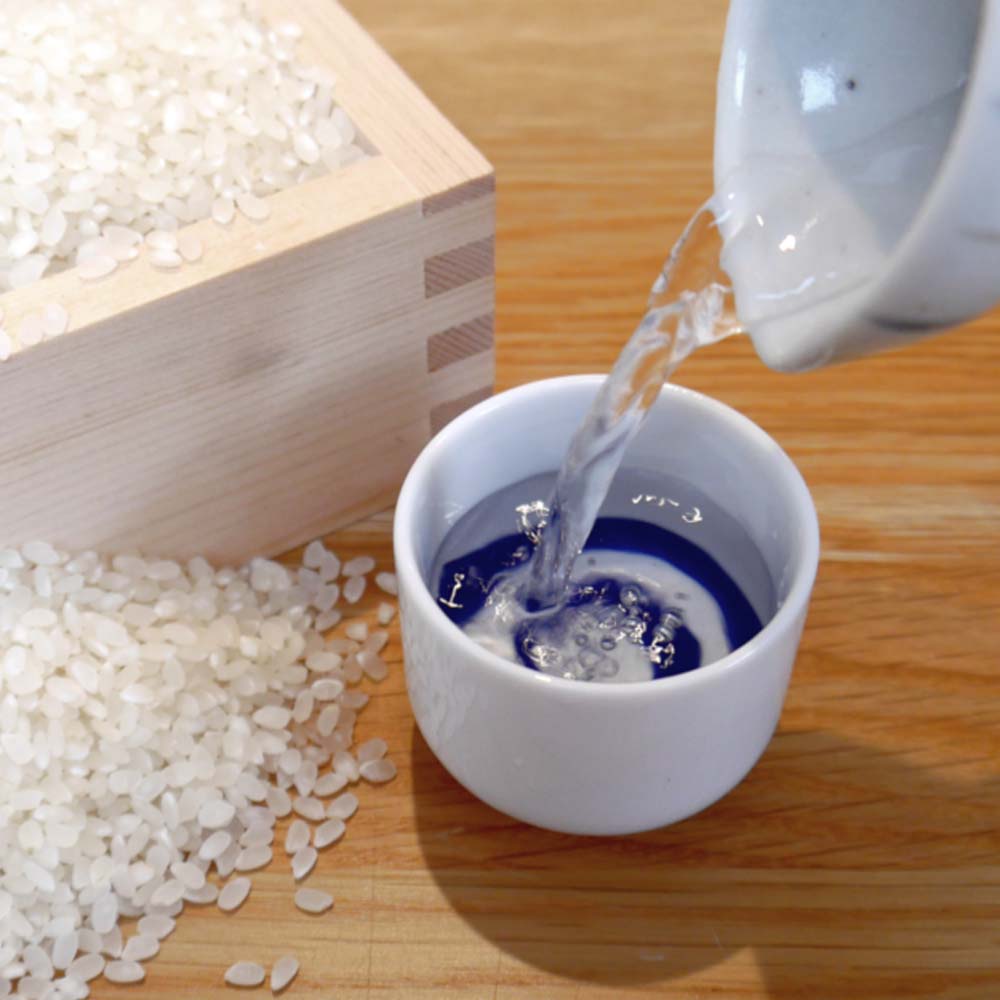
Just like the origin of mead, beer, whisky and wine the origin of sake is unclear. Sake production dates back to at least a 1,000 years, some believe they have been perfecting sake for over 1,500 years.
Sake commonly referred to as Japanese rice wine is produced in a process that has more in common with beer than wine. It is brewed using highly polished sake mai rice, water, a mold called Aspergillus oryzae (also used in the fermentation of soy sauce), and yeast.
There are over 270 varieties of rice cultivated in Japan and about 100 are are explicitly made for sake brewing. Scotland may have about 120 distilleries making whisky and Japan has about 1,500 Sake producers. While 90% of the Scotch produced in Scotland is exported and 20-30% of wine produced in France and Italy, only 3% of Sake produced in Japan is exported. The rest of the world has a lot to catching up to do and learn about Sake.
All Sakes you will ever drink fall into one of main two categories. The pure rice style (called “junmai” in Japanese) or the alcohol-added style (called “aruten” in Japanese). Pure rice sakes are sakes that are made with only rice, water, yeast and koji, with no additives of any kind. Alcohol-added sakes use the same ingredients as pure rice sakes, but they add a small amount of distilled brewers alcohol (a neutral distilled alcohol) to the mash. This alcohol is added to influence the body, aroma and viscosity of the sake. When it comes to milling rice in the case of , the more the sake rice is polished down, the more premium (upto 50% or less of its original weight) and expensive the sake will tend to be.